
Education that nurtures passions and talents
Every day, with passion and commitment, we accompany our pupils on their educational journey. We support their development, inspire creative thinking and help them discover their individual talents.
Teaching in Years 4–8 is based not only on the national curriculum set by the Polish Ministry of Education but also on the Cambridge international programme and our own educational projects that go beyond standard requirements.
Within the Cambridge programme, pupils study the following subjects:
Global English, Mathematics, Science and Global Perspectives, developing language, mathematical, scientific and social competencies in an international context.
Project-based learning – learning through action
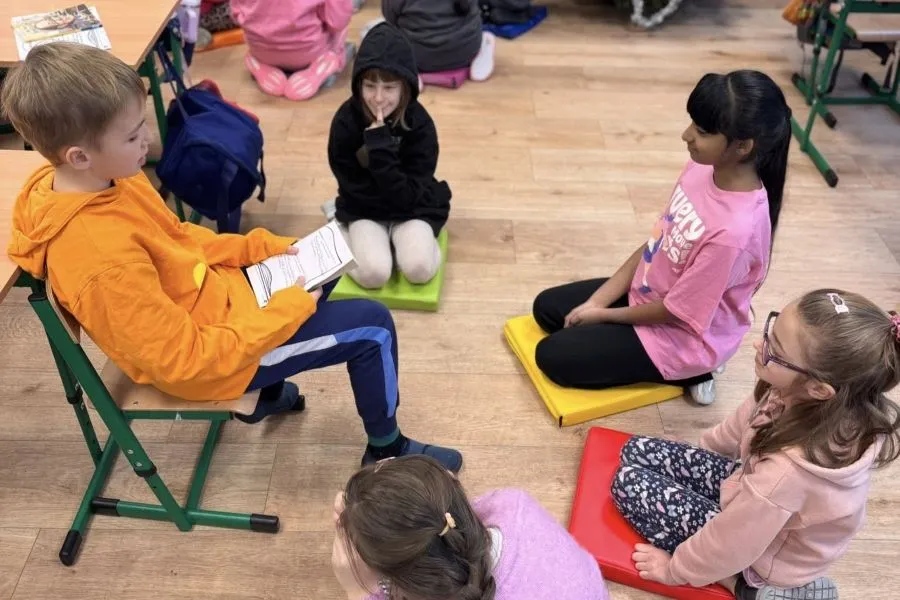
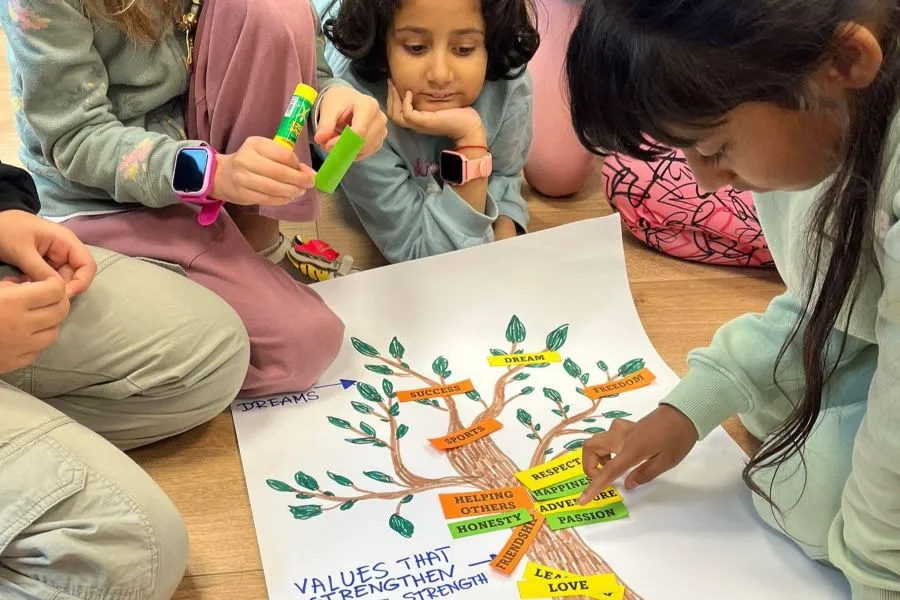
Project-based learning is one of the key approaches used in our school. Projects are carried out at different levels – from nationwide initiatives, through school and class projects, to individual pupil initiatives.
Through project work, pupils:
- develop teamwork and collaboration skills,
- learn how to plan activities and set goals,
- understand the stages of project implementation,
- build the ability to reflect on and evaluate their own work,
- strengthen one of the key competencies of the 21st century – presenting themselves and the results of their work.
STEAM and CLIL – modern education
At our school we focus on a modern and practical approach to learning by using STEAM and CLIL methodologies.
STEAM
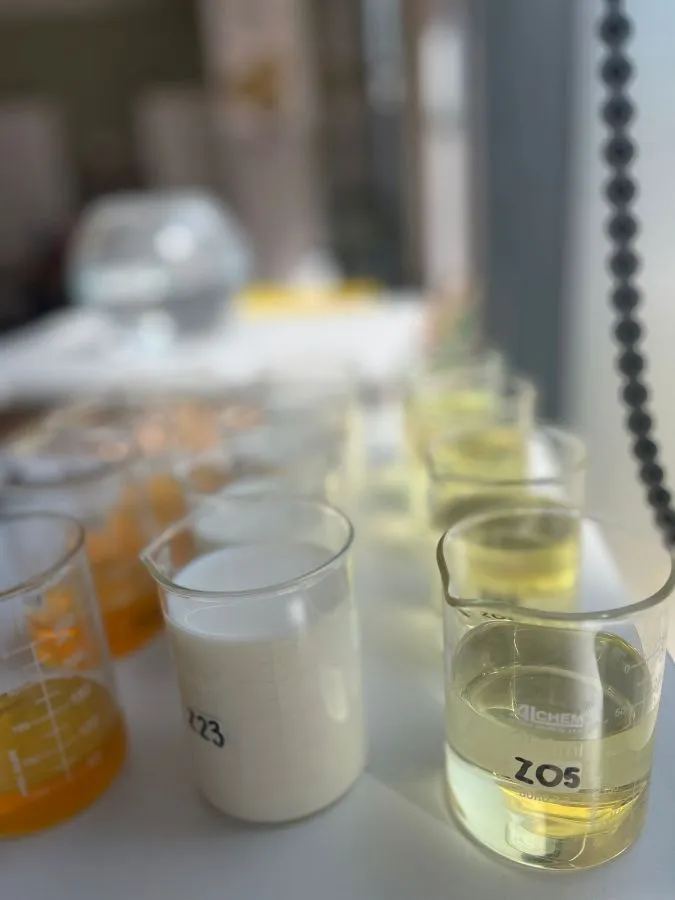
We develop competencies in the fields of Science, Technology, Engineering, Arts and Mathematics, combining theoretical knowledge with practical application.
Through bilingual teaching of selected subjects, innovative digital tools and interdisciplinary projects, pupils develop:
- critical thinking,
- creativity,
- problem-solving skills,
- independence and effective collaboration.
CLIL
We also apply the CLIL (Content and Language Integrated Learning) approach – an educational method that integrates subject content with foreign language learning.
This method is recommended by the European Commission and is considered one of the leading models for foreign language education in the European Union.
An important complement to this approach is the English Outside the Classroom programme. Foreign language teachers communicate with pupils in English not only during lessons but also outside the classroom – in corridors, in the dining hall and during school trips.
Preparing for the challenges of the 21st century
In today’s world, the ability to respond flexibly to a rapidly changing reality is essential. We understand the qualities that graduates of a modern school should possess. Our pupils:
- understand their strengths and talents,
- are able to make thoughtful decisions,
- take responsibility for themselves and their actions,
- consciously manage their own learning process.
Developing key competencies
In Years 4–8, we continue the systematic development of key competencies, adapting teaching methods and activities to the age and needs of our pupils.
Key competencies combine knowledge, skills and attitudes that are essential for personal fulfilment, individual development, social integration and active participation in civic life. These include, among others:
We help pupils express their thoughts clearly, build self-confidence and communicate effectively with others.
Pupils learn languages in a natural way, preparing them for future education, travel and work in an international environment.
We develop logical thinking and teach problem-solving skills that prepare pupils for further education and everyday challenges.
We show pupils how to use digital tools in a responsible, creative and learning-oriented way.
We teach pupils how to plan their learning, cope with difficulties and take responsibility for their own development.
We support the development of empathy, cooperation and responsibility, while nurturing positive relationships and a sense of safety within the school community.
We encourage initiative, creative thinking and the confidence to turn ideas into action.
We foster respect, openness and curiosity about the world, supporting the well-rounded development of every child.
Modern learning facilities
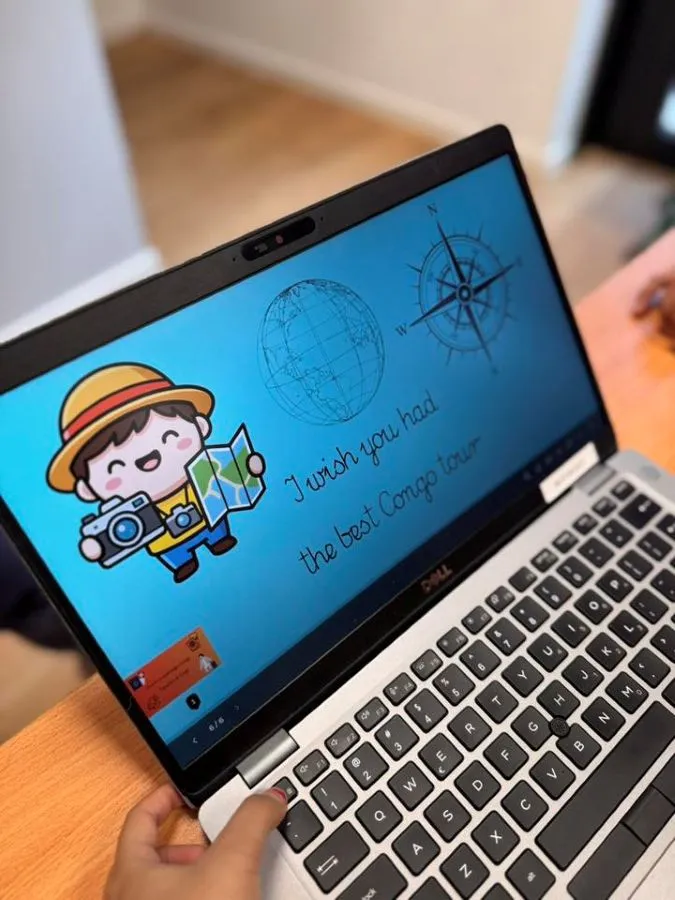
Pupils and teachers at our school use modern IT technologies on a daily basis to support the learning process and make lessons more engaging.
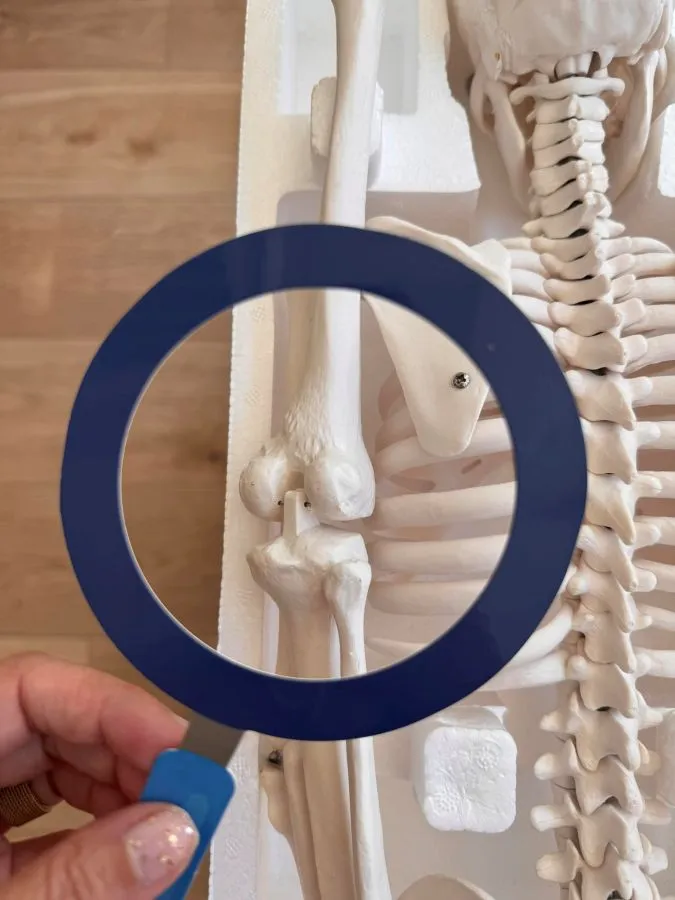
Classrooms are equipped with modern educational tools that enable interactive and dynamic lessons, as well as the implementation of projects that develop independence, creativity and future-ready skills.
Cooperation with parents
We place great importance on building a strong partnership with parents. We keep them regularly informed about pupils’ progress, support them in guiding their child’s behaviour and provide help in challenging situations. We are always open to dialogue and feedback.
We provide:
- an online school platform (electronic register),
- ongoing contact with teachers and form tutors.